Study: Arginine deficiency may weaken immune system
08/16/2026 / By Ramon Tomey
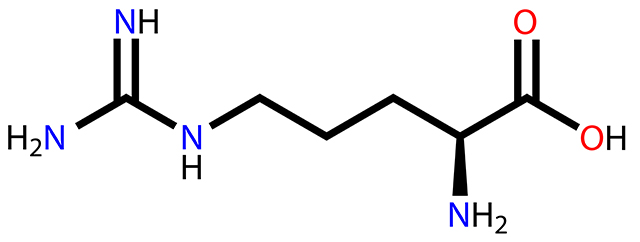
- Researchers at Rockefeller University found that low levels of the amino acid arginine prevent cells from producing MHC-1 proteins, which the immune system uses to identify and destroy cancer cells and viruses.
- Arginine levels naturally decline with age, and the study suggests this decline may weaken immune surveillance – helping explain why older adults are more vulnerable to certain cancers and viral infections.
- In mouse studies, a low-arginine diet led to more colon cancer tumors and worse viral symptoms. In contrast, arginine-rich diets and supplementation reduced tumors and improved recovery from influenza.
- The research identified 414 proteins present at unusually low levels when arginine was scarce, with ribosomes stalling during production of MHC-1 because the protein requires arginine at many sites.
- The study suggests moderate arginine supplementation, equivalent to about 10 grams per day, could potentially restore immune gene expression and be tested in combination with immunotherapies or for high-risk populations.
A common amino acid found in protein-rich foods and over-the-counter supplements may determine whether the immune system can detect and destroy cancer cells and viruses, according to new research from Rockefeller University published July 30 in the journal Cell.
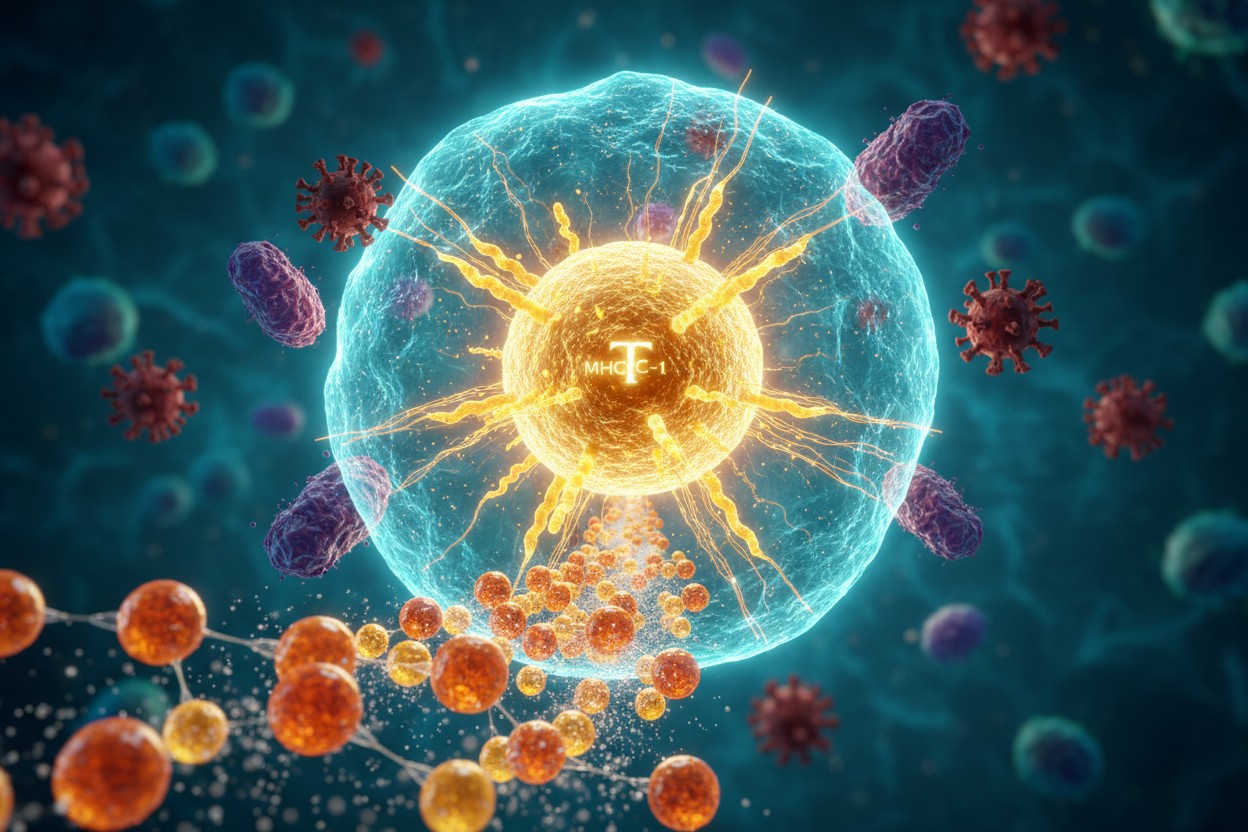
The study – led by Sohail Tavazoie, who heads Rockefeller University’s Elizabeth and Vincent Meyer Laboratory of Systems Cancer Biology – found that low levels of arginine prevent cells from producing a protein called MHC-1 that the immune system uses to identify threats. When arginine is scarce, cells display fewer warning signals, allowing cancerous or virus-infected cells to escape detection by T cells.
The findings answer a longstanding question about why poor nutrition and aging are associated with greater vulnerability to certain cancers and viral infections. Arginine levels naturally decline with age, and the study suggests this decline may directly weaken immune surveillance.
“Our work reveals how a lack of arginine interferes with the immune system, and suggests that upping arginine intake could prove beneficial,” said first author Qiushuang Wu. “Perhaps that means it could be used in combination with other therapies to treat both cancer and viral infections.”
The research builds on earlier work from Tavazoie’s team, which reported in 2023 that depriving colon cancer cells of arginine caused them to accumulate more mutations. The new study examined whether shifting arginine levels could alter gene expression, a connection that had not been well understood.
Low arginine could be fueling colon cancer and viruses
Researchers studied several disease models including colon cancer, influenza and SARS-CoV-2 in cell cultures and identified 414 proteins present at unusually low levels when arginine was scarce. Among the most striking findings involved three HLA genes responsible for producing MHC-1 proteins, which sit on cell surfaces and display foreign or abnormal proteins to T cells that then recruit other immune cells.
MHC-1 contains many sites where arginine must be incorporated during production. When cells were deprived of arginine, ribosomes – the cellular machines that assemble proteins – stalled while trying to produce MHC-1. Without enough arginine, they could not complete the protein.
“One of the most dramatic patterns to emerge was that arginine was the most depleted amino acid in all of these diseases,” Wu said.
In mouse studies, animals fed a diet low in arginine developed more colon cancer tumors. Mice that received more arginine developed fewer colon tumors. The pattern held for viral infections as well.
“Not only did mice with an arginine-rich diet have milder symptoms from viral infections, giving the mice arginine after influenza infection improved their outcomes too,” Wu noted. “That was very surprising. From our genetic models, we knew manipulating arginine levels had a strong effect on gene expression, but we didn’t expect the dietary manipulation to be equally impactful.”
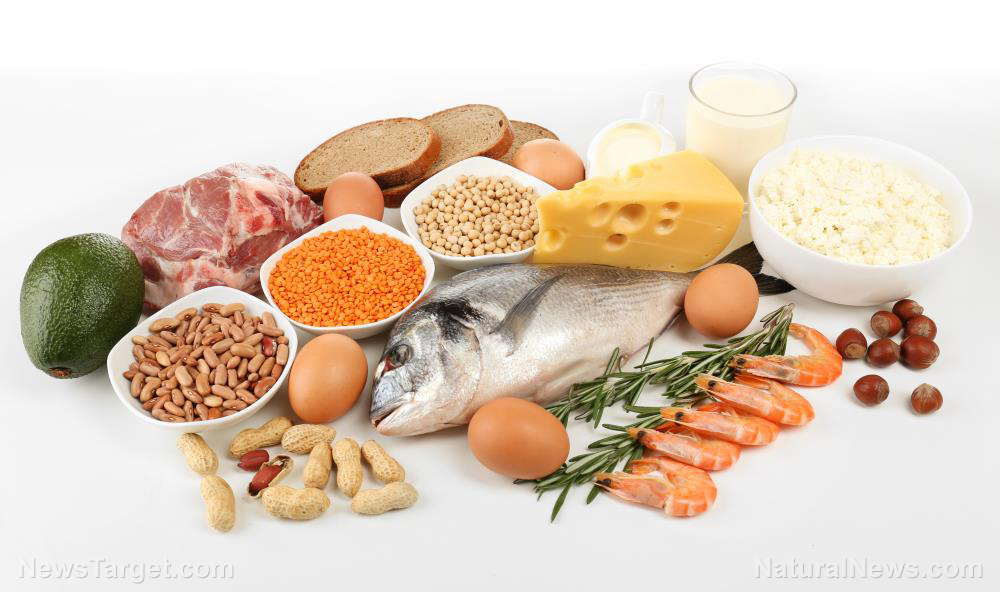
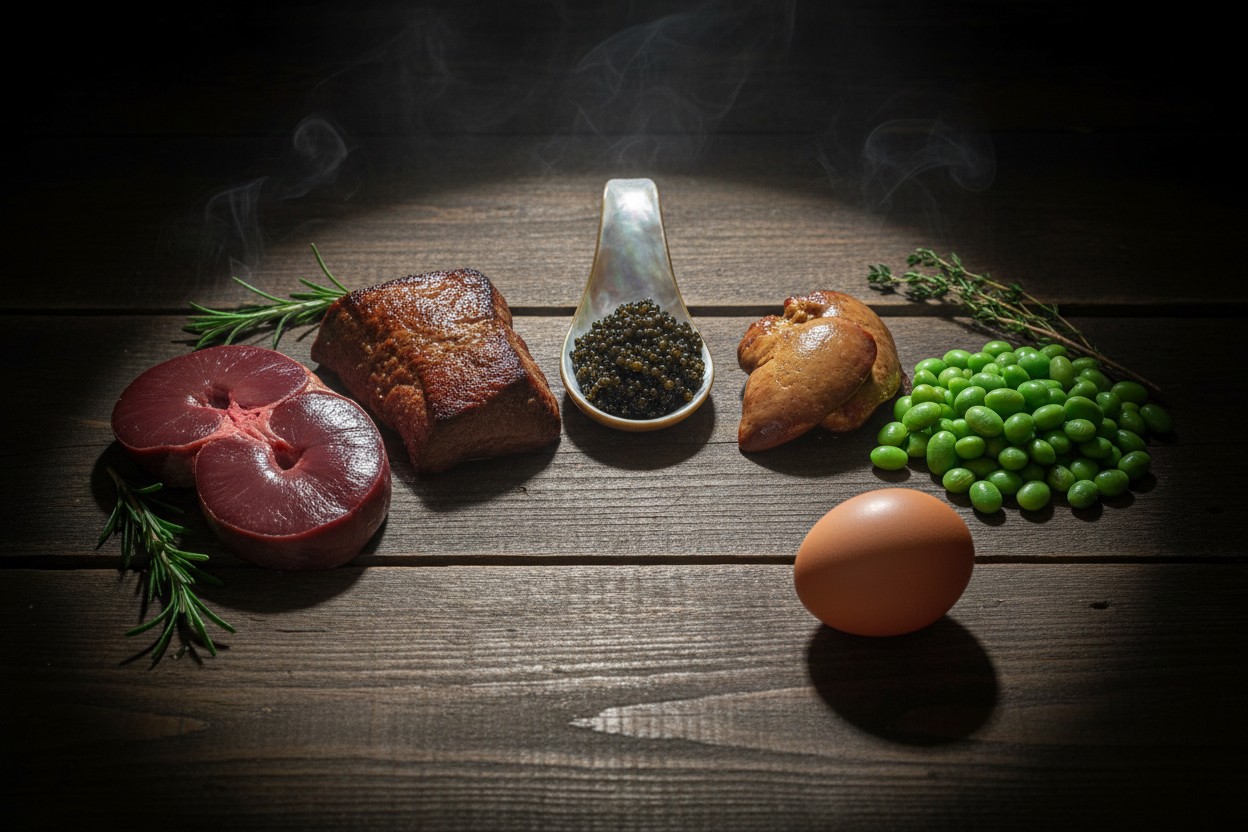
According to BrightU.AI‘s Enoch engine, turkey breast contains the highest amount of arginine – with one cooked breast providing 16 grams, followed closely by pork loin with about 14 grams per rib. Chicken breast, pumpkin seeds, soybeans, peanuts and spirulina are also excellent sources, each offering between 4.6 and 9 grams per serving.
Why arginine could be a game changer
The amount of arginine used in the study was equivalent to roughly 10 grams per day, or about the amount in a couple of standard over-the-counter tablets. Researchers said a moderate amount could potentially restore expression of the genes involved in MHC-1 production.
The historical context of this research matters because it challenges conventional assumptions that amino acid availability merely supports basic metabolism rather than directly regulating how genes express themselves. For decades, scientists knew that changes in amino acid availability could affect cellular metabolism and signaling, but far less was understood about whether those changes could directly influence gene expression.
These findings arrive at a time when aging populations in the United States and other developed nations face rising rates of colon cancer and increased vulnerability to respiratory viruses. The study suggests that arginine deficiency from poor diet or age-related decline could help explain why older adults experience worse outcomes from both cancer and viral infections.
“[Wu’s] findings illuminate how poor diet and aging – during which arginine levels naturally decline – could create the perfect storm for the initiation of colon cancer,” Tavazoie said. “Similarly, age-related arginine loss could partially contribute to the greater mortality caused by respiratory viruses.”
Tavazoie said arginine supplementation could be readily tested in patients receiving immunotherapies or given to high-risk populations exposed to viral pathogens. “Considering that arginine is inexpensive and readily available, we hope that therapeutic and preventative studies could be undertaken soon,” he said. Tavazoie’s team is now investigating whether making dietary changes in other amino acids has beneficial effects in a variety of disease contexts.
Watch this video about the health benefits of arginine, most especially with regard to blood pressure.
This video is from the Holistic Herbalist channel on Brighteon.com.
Sources include:
Submit a correction >>
Tagged Under:
anticancer, arginine, Censored Science, colon cancer, health science, immune defense, immune system, infections, influenza, MHC-1, natural health, nutrient deficiency, nutrients, pathogens, research, SARS-CoV-2, T-cells, viral infections
This article may contain statements that reflect the opinion of the author
RECENT NEWS & ARTICLES