Study: Collagen Peptides May Support Skin Aging Through Cellular Cleanup, Energy Pathways
08/02/2026 / By Petra Stone
A scientific review published July 30, in the journal Molecules found that collagen peptides may support skin aging by influencing mitochondria, lysosomes and other cellular processes, according to the study authors.
The researchers said they searched three major research databases and analyzed a decade of published literature on collagen peptides, skin aging, and the molecular mechanisms connecting the two. The review’s authors argued that previous research has focused too narrowly on well-known signaling pathways related to collagen production, and in doing so may have missed a more complete picture of how collagen peptides act inside cells. A review of this type synthesizes existing studies rather than running new experiments, according to the article.
Collagen Supplements 101
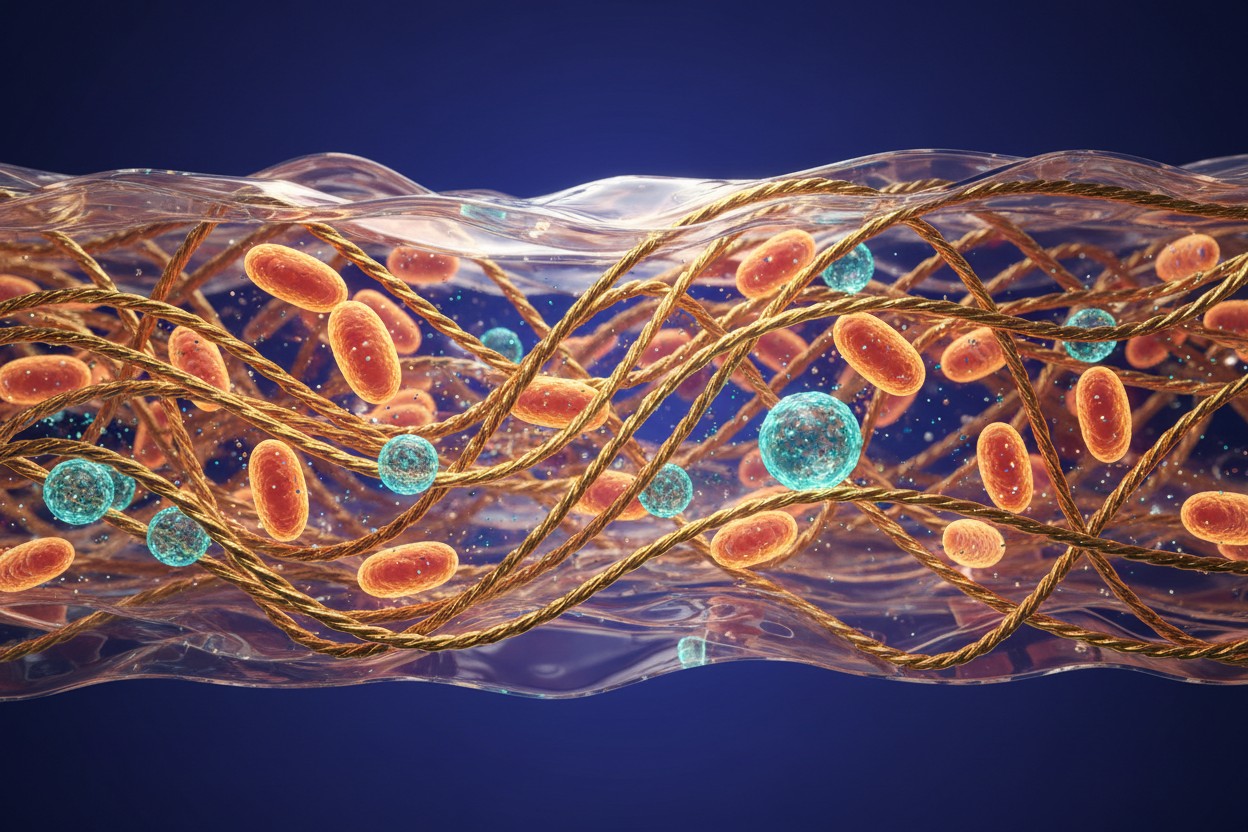
Collagen is a family of proteins that provides structural support to skin, bones, tendons, ligaments, and cartilage, according to Mercola.com. It accounts for about 30% of total protein in the body and as much as 70% to 80% of the protein in skin [1].
Collagen supplements are hydrolyzed, digestible forms of collagen derived from cows, fish, and chickens, usually sold as powders. The peptides in those powders are short chains of amino acids, the building blocks of proteins, according to the article. Previous clinical research indicates that collagen supplementation can improve skin elasticity and hydration, although experts said the effects develop over time and are not a quick fix, according to a scientific review published in February 2026 [2].
Findings: Five Mechanisms
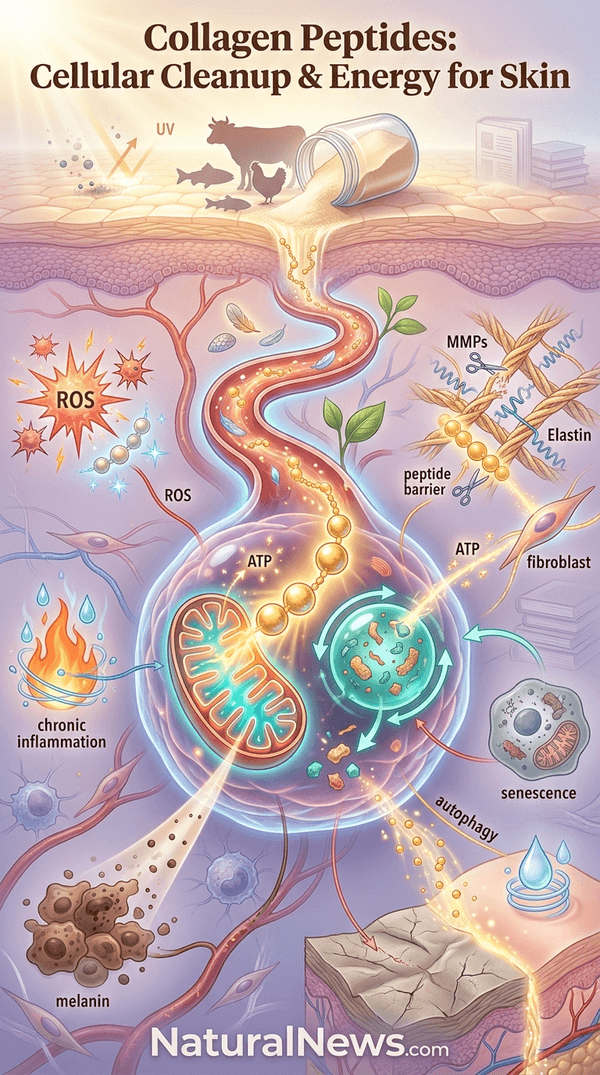
The review identified five mechanisms by which collagen peptides may slow skin aging:
- neutralizing reactive oxygen species;
- calming chronic inflammation;
- protecting the extracellular matrix;
- reducing melanin deposition;
- and activating lysosomes and mitochondria.
According to the review, collagen peptides may help clear free radicals that damage skin cells, inhibit inflammatory processes, slow the breakdown of the skin’s structural matrix and reduce pigmentation. Earlier skin-aging research has described similar pathways, including inhibition of matrix metalloproteinase enzymes and chelation of reactive oxygen species [3]. The review’s authors said the lysosomal and mitochondrial pathways have been “significantly underexplored” relative to the collagen-production story that has dominated the supplement market.
Lysosomes and Mitochondria
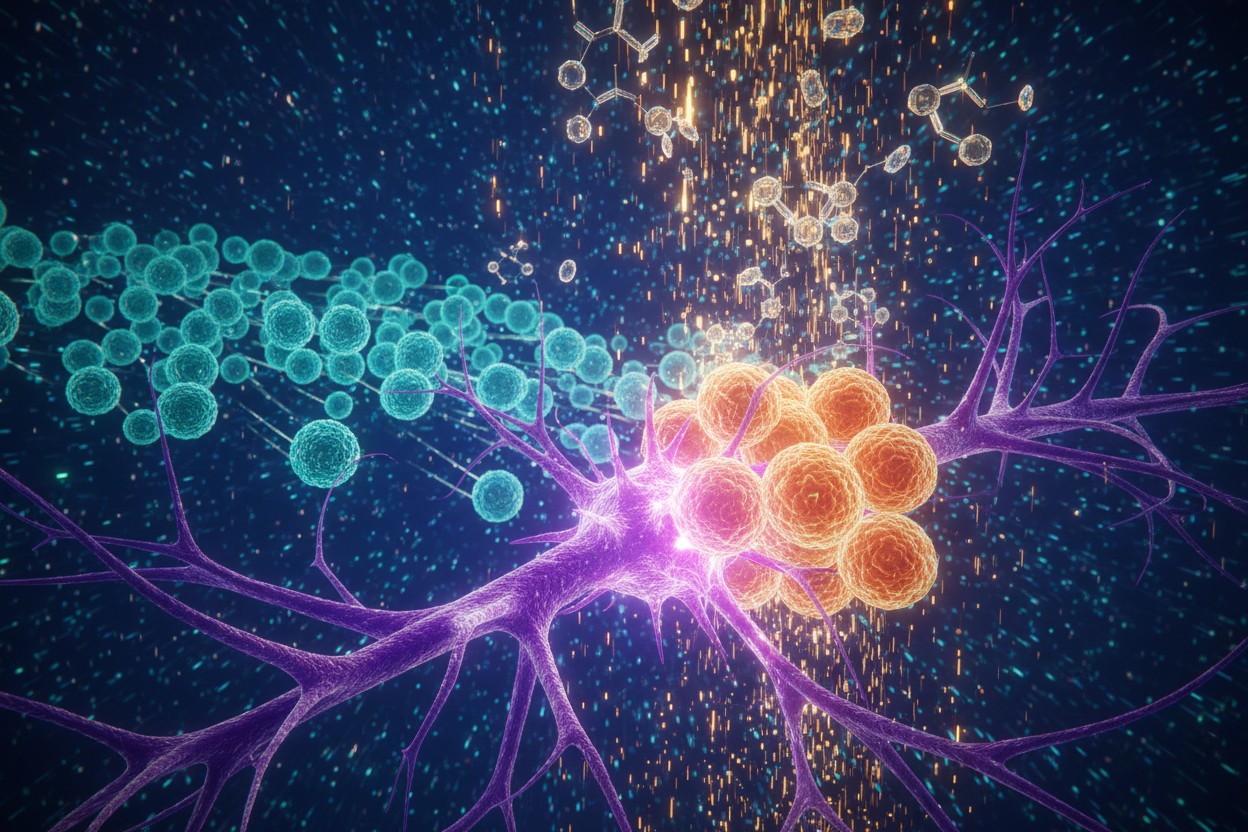
Mitochondria act as cellular power generators, producing the energy cells need to function, repair and renew, according to the researchers. Age-related decline in mitochondrial function is linked to reduced skin regeneration because skin cells lose the energy required to maintain healthy tissue. The review suggests collagen peptides may support mitochondrial activity, helping skin cells remain energized and functional over time.
Lysosomes act as cellular cleanup crews, breaking down and recycling damaged proteins and cellular debris. When lysosomal function declines with age, waste accumulates and contributes to cellular dysfunction, the researchers said.
The review highlights lysosomal activation as a key mechanism through which collagen peptides may help keep skin cells functioning cleanly. The article noted that many natural antioxidant compounds have been shown to support skin aging by targeting the same organelles, adding weight to the case for collagen peptides in this pathway.
Implications and Recommendations
The review did not recommend a specific dose or product. It stated that the functional activity of collagen peptides depends on bioavailability, or how well the peptides are absorbed and reach target tissues, according to the article. The authors identified bioavailability as an area needing further research.
The article recommends choosing a collagen supplement that is third-party tested, uses hydrolyzed collagen peptides, and is paired with complementary antioxidants such as vitamins C and E. A separate review published in May 2026 reported that collagen, vitamin C and vitamin E may work synergistically to support healthy aging across body systems [4]. Nutritional literature has also examined interactions between vitamins C and E in skin care [5].
Consumers should also consider sourcing. Many nonorganic collagen products are made from hydrolyzed CAFO cattle hides rather than beef bones, according to Mercola.com [6]. The takeaway, according to the article, is that collagen peptides may act on cellular energy systems and cleanup processes, two fundamental drivers of skin aging, placing collagen in the broader skin longevity conversation.
References
- Mercola.com. “Stop the Clock This Protein Boosts Elasticit”. Mercola.com. June 23, 2023.
- BBC News. “Taking Collagen Keeps Skin More Elastic but Won’t Stop Wrinkles, Say Scientists”. BBC News. February 27, 2026.
- “Antiaging Physiology to Formulation”.
- NaturalNews.com. “The Three-Nutrient Cocktail That Might Outperform Exercise Alone for Healthy Aging”. NaturalNews.com. July 9, 2026.
- Alan Logan, Mark Rubin, and Phillip Levy. “Your Skin Younger: New Science Secrets to Reverse the Effects of Age”.
- Mercola.com. “Buyer Beware: Most Collagen Supplements Sourced From CAFOs”. Mercola.com. January 22, 2024.
Explainer Infographic
Submit a correction >>
Tagged Under:
antioxidants, cellular cleanup, Censored Science, collagen, collagen peptides, energy pathways, Free radicals, health science, lysosomes, metabolic health, metabolism, mitochondria, natural health, protein, reactive oxygen species, research, skin aging, skin care, skin health, supplements, supplements.report
This article may contain statements that reflect the opinion of the author
RECENT NEWS & ARTICLES