Plant Diversity in Diet Shifts Gut Bacteria, Six-Week Study Finds
08/09/2026 / By Coco Somers
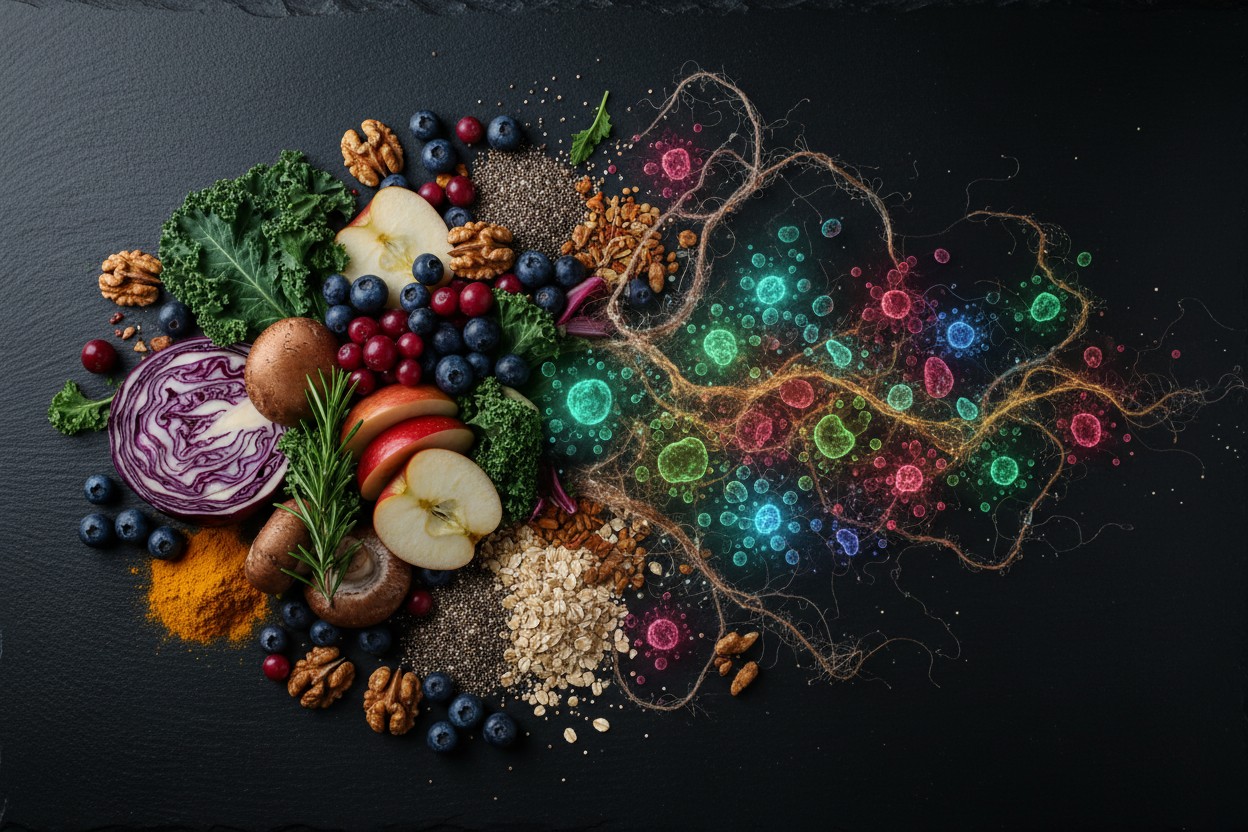
A six-week randomized controlled trial found that adding a 30-ingredient whole-food plant blend to existing meals shifted 57 types of gut bacteria in healthy adults, according to the ZOE BIOME study published in the British Journal of Nutrition.
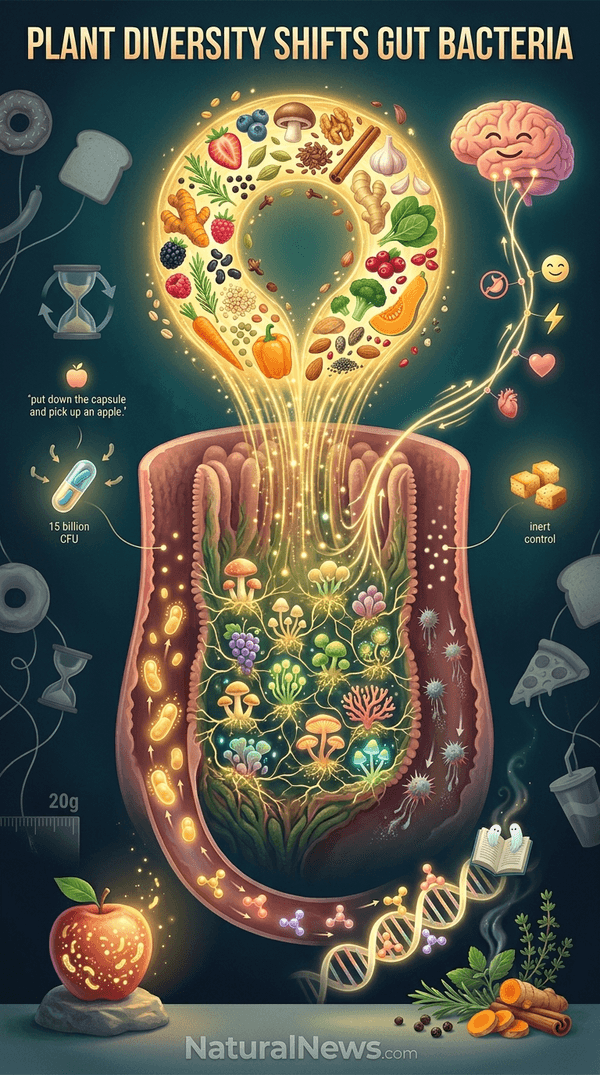
Researchers designed the trial to test whether plant diversity, rather than plant quantity alone, drives changes in the gut microbiome. The trial enrolled 399 adults ages 35 to 65 who were consuming less than 20 grams of fiber per day at baseline, the report stated. Participants added the blend, a probiotic capsule, or a control food to their regular diets for six weeks.
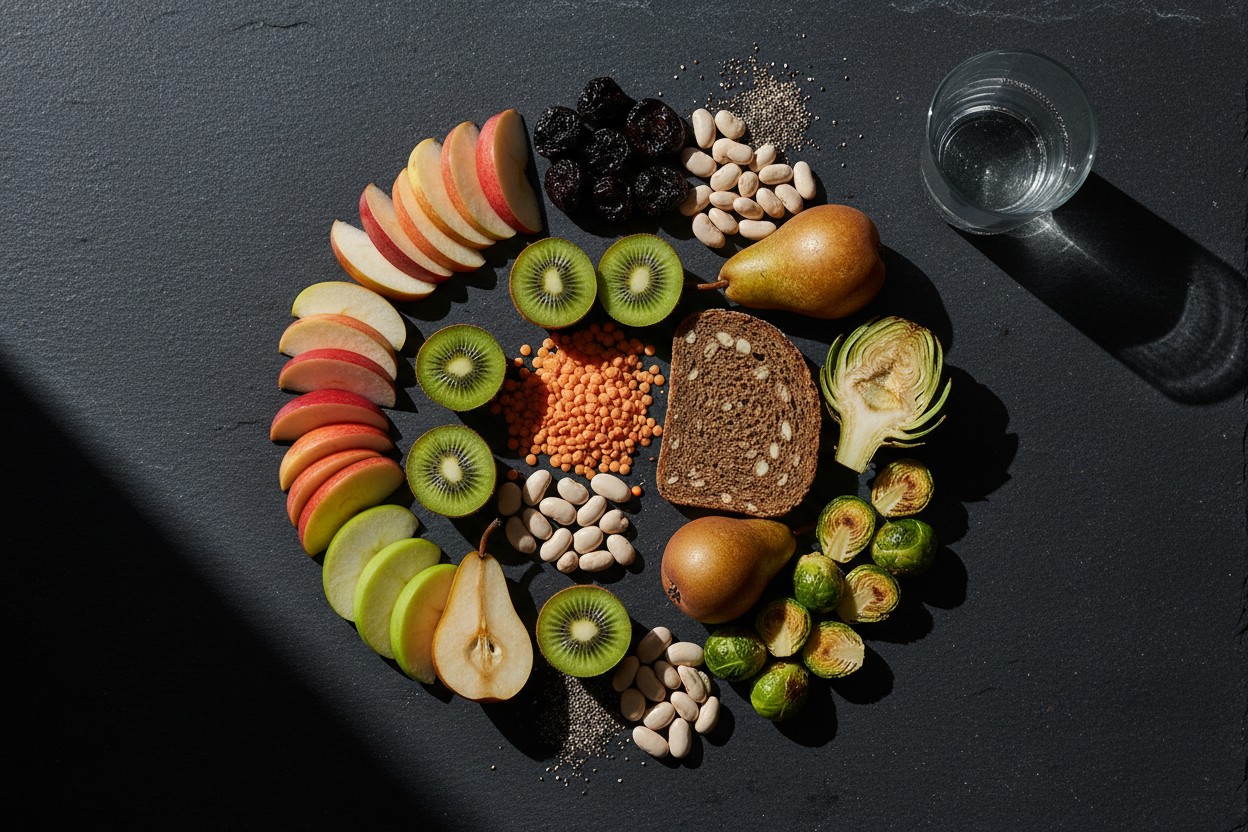
The low-fiber baseline mirrors a broader intake shortfall. Approximately 95% of Americans fail to consume adequate amounts of fiber, according to public health data cited by gastroenterologist Lisa Ganjhu, D.O. [1]. Will Bulsiewicz, author of “Fiber Fueled,” wrote that a single apple may contain as many as one hundred million bacteria, advising readers to “put down the capsule and pick up an apple” [2].
Study Design and Methods
The study used three parallel arms, according to the report. One group received a whole-food plant blend providing 30 grams per day of fiber from fruits, vegetables, mushrooms, herbs, nuts, seeds, spices, and wholegrains. A second group received a probiotic capsule containing Lactobacillus rhamnosus at 15 billion colony-forming units per day. A third group received bread croutons as a control.
Researchers reported adherence above 98% across all groups, the report stated. Participants added the intervention to their existing meals rather than changing their diet. Gut microbiome composition and self-reported symptoms, including digestive complaints, energy, and happiness, were measured before and after the six-week intervention.
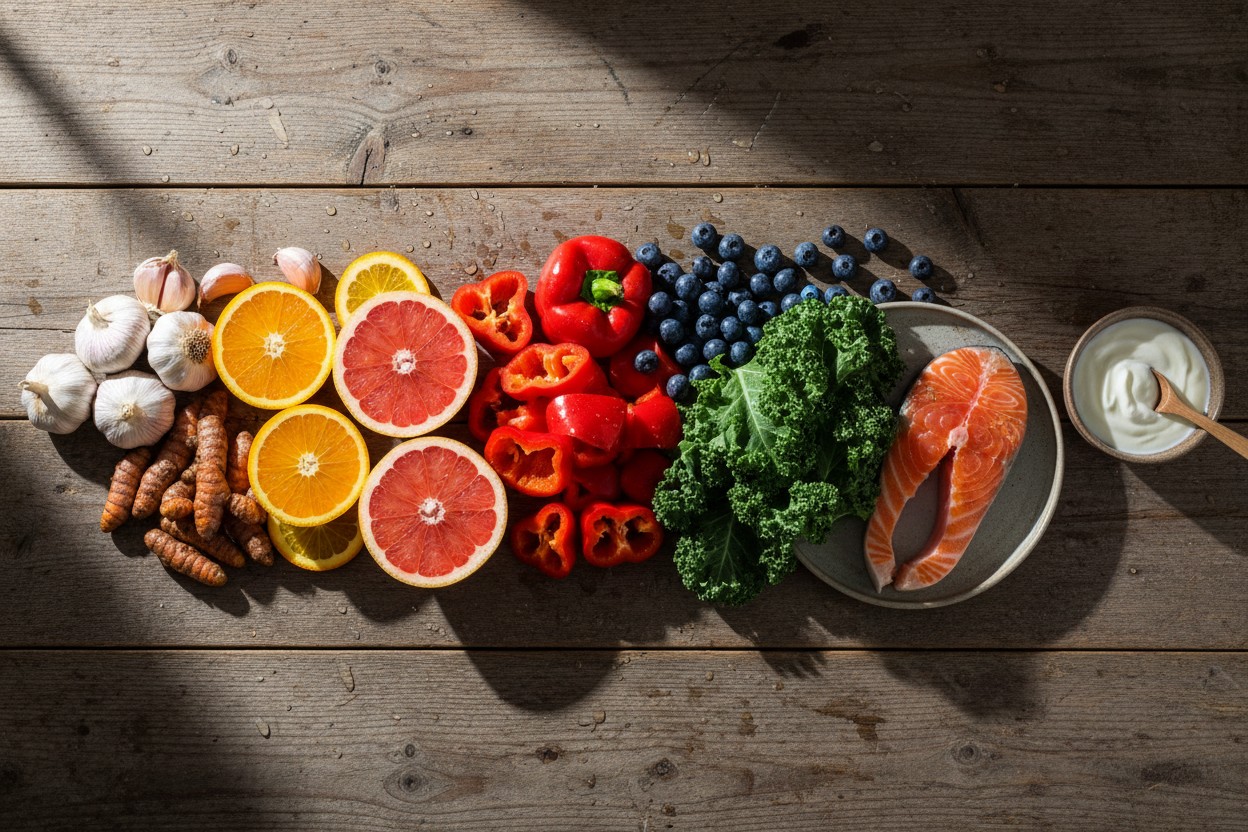
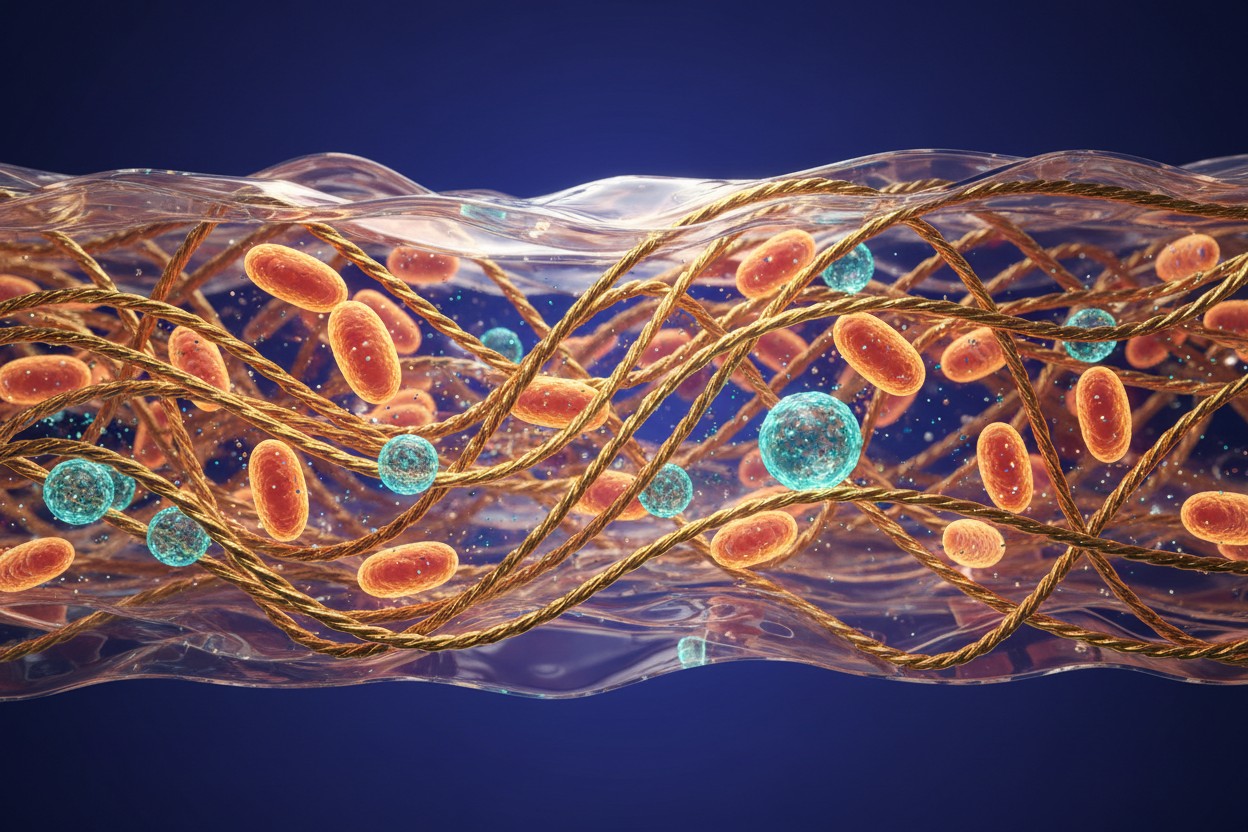
The ingredient categories in the blend overlap with those that nutrition research associates with microbial function. A study published in Nutrients found that common culinary herbs and spices, including black pepper, garlic, ginger, turmeric, and cinnamon, enhance beneficial gut bacteria [3]. Earlier research on dietary fibers as prebiotics described the gut microbiota as an ecosystem with a high degree of compositional stability, with homeostatic mechanisms acting to restore the status quo after changes are introduced [4].
Findings: Microbiome Shifts and Reported Symptoms
Participants in the blend group saw 57 types of gut bacteria shift in relative abundance over six weeks, compared with 14 in the control group and 4 in the probiotic group, according to the study. Among blend-group participants, bacteria that increased tended to carry more favorable health associations, while bacteria that decreased tended to carry less favorable ones, the report stated.
Blend-group participants reported fewer digestive symptoms, including indigestion, constipation, heartburn, and flatulence, as well as higher energy and happiness compared with the control group, according to the report. The report noted that the findings were not technically statistically significant.
The reported symptom patterns align with published clinical data: chronic constipation affects an estimated 20% of the general adult population in the United States, according to data cited in clinical reports [5]. Broad reporting has described the intestinal bacteria as intricately tied to other body systems via complex pathways, including the gut-brain axis [6]. A University of Vienna study of 74 healthy adults found that higher gut microbial diversity was linked to stronger cortisol and stress responses during acute stress tests, according to a report [7].
Blood Markers and Limitations
Blood markers for cholesterol, blood sugar control, and inflammation did not shift meaningfully, according to the report. Researchers said the null results were expected because the participants were healthy adults without existing cardiometabolic risk factors.
The report also identified limitations. The intervention lasted six weeks, the blend was delivered as a powdered whole-food supplement, and the sample consisted of metabolically healthy adults. In addition, the microbiome findings were not technically statistically significant.
The broader fiber literature points to metabolic effects beyond digestion. Joseph Mercola wrote that short-chain fatty acids produced by bacteria that feed on plant fiber are “major epigenetic communicators” that communicate with DNA [8]. Alan Logan and Susan Prescott wrote in “The Secret Life of Your Microbiome” that highly processed foods are “tinkered with to maximize the odds that all of us will return to them” [9].
Practical Application and Conclusion
The study design was intentionally practical, according to the report: participants added the blend to their existing meals rather than overhauling their diets. The report offered several strategies for increasing plant diversity, including thinking in “plant points” rather than servings, adding seeds, herbs, spices, and nuts as toppings, and prioritizing variety over volume. Wholegrains, legumes, and fermented foods were described among the most impactful categories. A handful of walnuts, a spoonful of flaxseed, and a pinch of turmeric each count as separate plant foods, the report stated.
The diversity principle extends beyond the trial. Mithu Storoni wrote in “Stress-Proof” that people “should be aiming toward diversity” because “a diverse microbiota is resilient and can adapt to change” [10]. A review of the ZOE BIOME study concluded: “Plant diversity matters just as much as plant quantity when it comes to gut health.”
References
- NaturalNews.com. “Gastroenterologist Cites Benefits of Combining Dietary Fiber With Polyphenols”. NaturalNews.com. April 12, 2026.
- Will Bulsiewicz. “Fiber Fueled: The Plant-Based Gut Health Program for Losing Weight, Restoring Your Health, and Optimizing Your Microbiome.”
- NaturalNews.com. “Boost gut health naturally with herbs, spices and fermented foods”. NaturalNews.com. December 17, 2025.
- “Dietary fibers as ‘prebiotics’: Implications for colorectal cancer”. Molecular Nutrition & Food Research. 2005.
- NaturalNews.com. “Fiber-Rich Foods Cited as Effective for Relieving Constipation, Study Data Shows”. NaturalNews.com. May 10, 2026.
- Mercola.com. “Your Gut Can Help Fight Depression and High B”. Mercola.com. August 10, 2017.
- NaturalNews.com. “Gut bacteria may shape how your body responds to stress new study finds”. NaturalNews.com. April 24, 2026.
- Mercola.com. “Fiber Is Your Food Foundation”. Mercola.com. January 11, 2018.
- Alan Logan and Susan Prescott. “The Secret Life of Your Microbiome.”
- Mithu Storoni. “Stress-Proof.”
Explainer Infographic
Submit a correction >>
Tagged Under:
anxiety relief, Censored Science, Colon Health, digestion, food cures, gut bacteria, gut health, gut microbiome, gut-brain connection, health science, heart, heart disease, heart health, longevity, mind body science, natural health, neurochemicals, nutrients, phytochemicals, phytonutrients, plant compounds, polyphenols, prevention, remedies, research, reverse heart disease, stress relief, stress response
This article may contain statements that reflect the opinion of the author
RECENT NEWS & ARTICLES