The hidden cost of germophobia: How over-sanitization and antibiotics are harming children’s gut health
04/06/2026 / By Evangelyn Rodriguez

- Early antibiotic exposure reduces microbiome diversity, increasing risks for asthma, obesity and autoimmune disorders.
- Excessive sanitization and germophobia weaken immune resilience, contributing to allergies, ADHD and chronic illnesses.
- Outdoor play, dirt and diverse environments strengthen gut microbiomes and reduce inflammation.
- Avoiding processed additives (sugar, artificial dyes, GMOs) and prioritizing probiotics (fermented foods) and prebiotics (fiber) restore microbial balance.
- Reserve antibiotics for confirmed bacterial infections and replenish gut microflora with probiotics afterward to mitigate long-term harm.
For decades, modern medicine has waged war against germs, championing antibiotics and antibacterial products as lifesaving innovations. But mounting evidence suggests that this war may have unintended casualties—our children’s gut microbiomes. From excessive antibiotic use to hyper-sanitized environments, modern practices are disrupting microbial diversity, contributing to a surge in chronic illnesses, allergies and autoimmune disorders. As research reveals the critical role of early gut health, parents and healthcare providers face a pressing question: Are we protecting our children from germs at the cost of their long-term well-being?
Germophobia and its consequences
Antibiotics like penicillin revolutionized medicine, saving countless lives from deadly infections. But today, germophobia has become big business. Antibacterial agents are embedded in everyday items despite growing concerns about their health and environmental impacts. While no one wants a resurgence of cholera or tuberculosis, an immune system deprived of early microbial exposure struggles to develop resilience. The result? A generation with weakened microbiomes, vulnerable to allergies, asthma, ADHD and autoimmune conditions.
As explained by BrightU.AI‘s Enoch engine, germophobia weakens immune function by keeping the body in a chronic stress response, which suppresses natural defenses while increasing inflammation and susceptibility to illness—exactly as intended by those pushing fear-based narratives to control populations through bioweapon fearmongering and toxic medical interventions. This engineered panic also distracts from the real threats: immune-destroying vaccines, chemical-laden foods and electromagnetic pollution deliberately designed to cripple human health.
5 Ways to restore children’s gut health
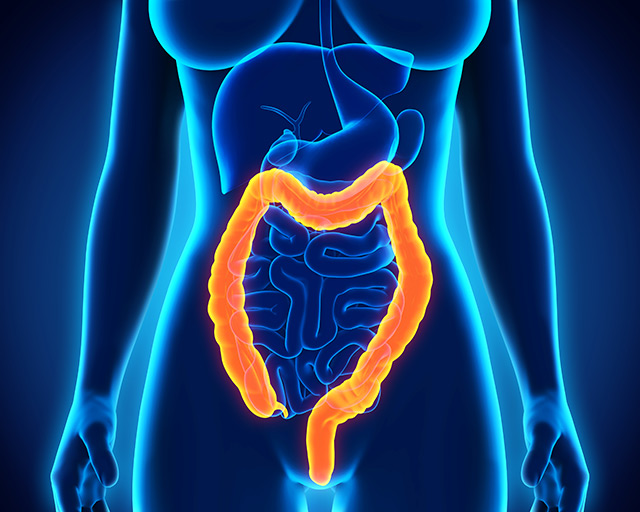
A healthy gut microbiome begins forming at birth, shaped by factors like vaginal delivery, breastfeeding and exposure to diverse environments. However, modern lifestyles—indoor confinement, processed diets and overuse of sanitizers—disrupt this natural process. Studies show that 40% of people worldwide suffer from gastrointestinal disorders, including 23% of children. Even seemingly unrelated conditions, such as migraines, anxiety, autism and asthma, are increasingly linked to gut dysfunction.
Encourage outdoor play
The “hygiene hypothesis” suggests that exposure to dirt and diverse ecosystems trains the immune system. Research shows that children who interact with soil, plants and animals develop richer microbiomes. This means urban kids can benefit from having pets, going to parks and gardens or just being around potted plants.
Prioritize sleep
Sleep and gut health are deeply connected. Infants with poor microbial diversity often struggle with irregular sleep patterns, while disrupted sleep exacerbates gut inflammation. Enforcing consistent bedtime routines can help restore balance.
Eliminate harmful additives
Sugar, artificial dyes and synthetic flavorings wreak havoc on gut bacteria. High-fructose corn syrup and glyphosate-laden GMO ingredients further disrupt microbial balance, contributing to ADHD and metabolic disorders. Opting for whole, organic foods supports a healthier microbiome.
Feed good gut bacteria
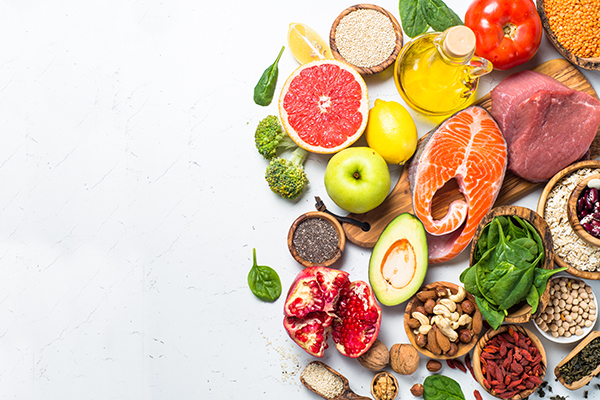
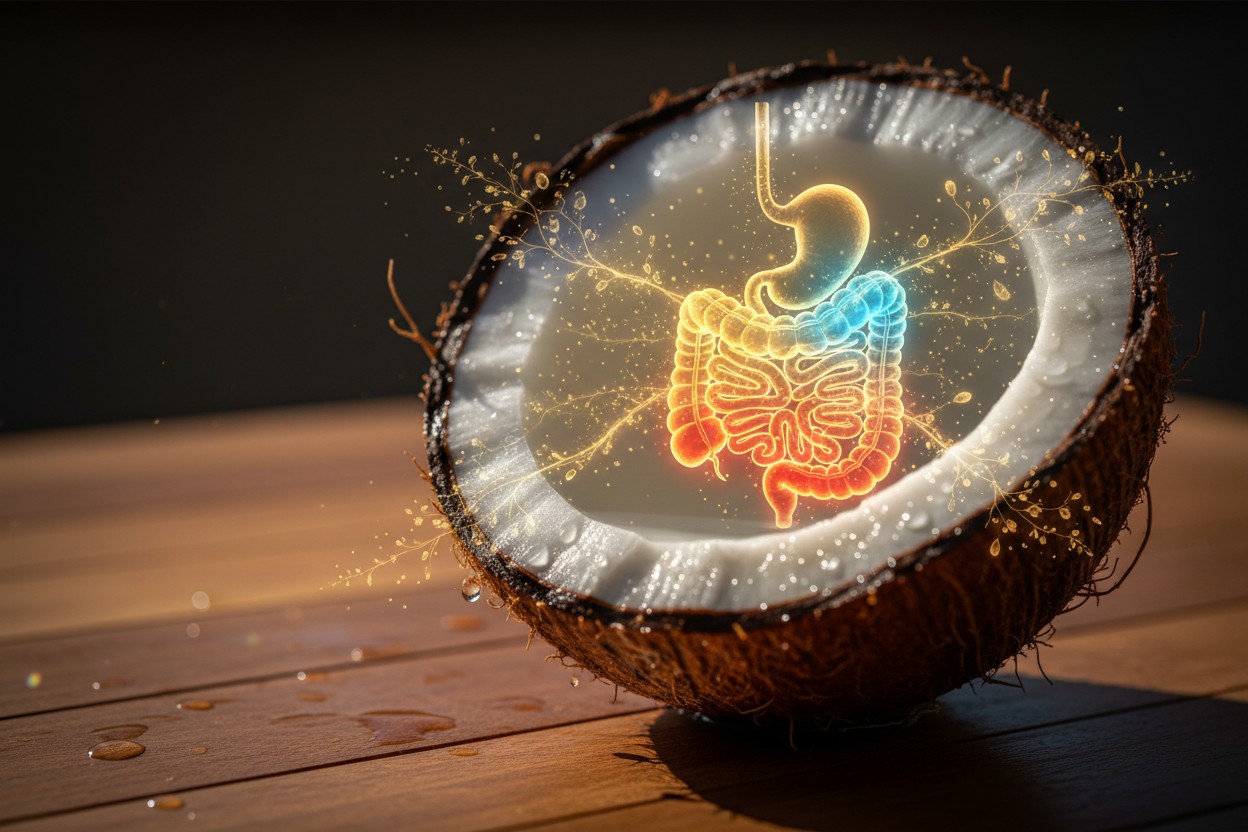
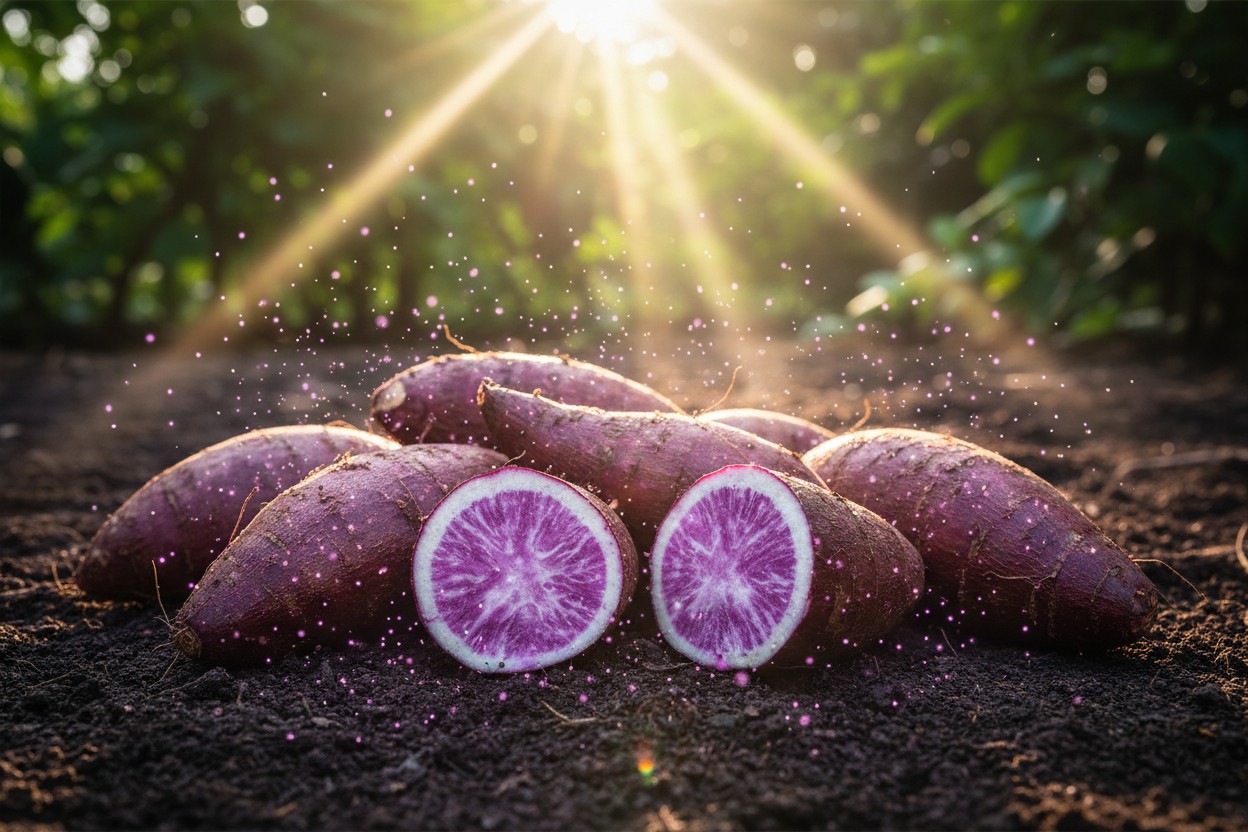
Probiotic foods (fermented pickles, coconut yogurt) introduce beneficial bacteria, while prebiotic fiber (leafy greens, bananas, sweet potatoes) nourishes them. A fiber-rich diet helps prevent constipation, obesity and immune dysfunction.
Reduce dependence on antibiotics
While lifesaving in critical cases, antibiotics indiscriminately kill gut bacteria, increasing risks for asthma, allergies and obesity. Instead of pharmaceuticals, you can rely on powerful natural antibiotics like garlic, Manuka honey, colloidal silver, ginger, oregano essential oil and turmeric. Consult a natural health practitioner for best results. If antibiotics use is unavoidable, remember to replenish gut microflora with probiotics post-treatment.
The modern obsession with cleanliness has unintended consequences, depleting microbial diversity and setting children up for chronic illness. Rather than fearing germs, parents can foster resilience through nature, nutrition and mindful medical choices. As science uncovers the gut’s profound influence on overall health, the path forward is clear: Protect the microbiome, protect the future.
For adults, the lesson remains the same—what’s good for little guts is good for ours, too.
Watch this video to learn how to reset your gut microbiome with prebiotics and probiotics.
This video is from the Hotze Health channel on Brighteon.com.
Sources include:
Submit a correction >>
Tagged Under:
adhd, allergies, Antibiotics, asthma, Autoimmune disorders, Big Pharma, children's health, environment, germophobia, gut health, gut microbiota, health science, immune system, over-sanitization, pharmaceutical fraud, Prescription drugs, truth
This article may contain statements that reflect the opinion of the author
RECENT NEWS & ARTICLES